I still remember the first time I had Korean-style sautéed beef with bean sprouts and cabbage at this cozy little restaurant tucked away in a bustling alley. The moment I took that first bite, the savory flavor of tender beef melded perfectly with the crunch of fresh bean sprouts and crisp cabbage — it was heavenly! It was one of those moments that made me think, “I have to recreate this at home!” Plus, let’s be real: eating out can get pricey, and there’s just something special about making a dish yourself that you know will taste even better.
It took me a solid week of testing (yes, a week!) to nail down this recipe. I lost count of how many times I ended up with a pan full of overcooked beef or soggy veggies. Who knew sautéing could be such an art? With each iteration, I was determined to get that perfect balance of flavors and textures — tender meat, crunchy veggies, and that signature umami kick from the Korean spices. At one point, I seriously considered giving up and just calling for takeout!
But trust me when I say it was all worth it! The final result is nothing short of spectacular: tender beef glistening with sauce, vibrant green bean sprouts providing a delightful crunch, and crisp cabbage adding that extra layer of texture. It’s savory, flavorful, and just the right amount of comforting without being heavy. You’ll want to devour every last bite! So grab your ingredients and get ready for a culinary adventure — I can’t wait for you to try my version of Korean-style sautéed beef with bean sprouts and cabbage!
These Korean-style Sauteed Beef with Bean Sprouts and Cabbage are…
…a flavor-packed celebration of textures and tastes that will transport you straight to the streets of Seoul!
1. They deliver an explosive umami flavor that’s perfectly balanced, thanks to the combination of low sodium soy sauce and gochujang. This fusion not only enhances the tender beef sirloin but also complements the earthy crunch of bean sprouts, creating an irresistible depth that keeps you coming back for more.
2. Incredible crunch – each bite is a delightful mix of textures, from the juicy beef to the crisp cabbage and crunchy bean sprouts. The quick sautéing technique preserves their natural crispness while ensuring they soak up all those savory flavors, making every mouthful a satisfying experience.
3. Quick cooking method – by stir-frying at high heat, I lock in moisture and flavor without overcooking the vegetables or beef. This technique is crucial as it helps maintain the vibrant colors of the cabbage and bean sprouts, making this dish as visually appealing as it is delicious.
4. Budget-friendly brilliance – using just a pound of beef sirloin along with affordable veggies like cabbage and bean sprouts makes this dish easy on the wallet. Plus, it yields enough servings for a family dinner or meal prep for lunches throughout the week, proving that delicious doesn’t have to break the bank.
PS This recipe serves about 4 people — perfect for a cozy family meal or impressing guests with minimal effort!
Ingredients for the Korean-style Sauteed Beef with Bean Sprouts and Cabbage
Each ingredient in this dish plays an essential role in flavor and texture. Here’s what you’ll need:
- 1 pound beef sirloin (thinly sliced): Provides tender, savory bites that anchor the dish.
- 2 cups bean sprouts: Contribute a delightful crunch and fresh taste to balance the beef.
- 2 cups cabbage (shredded): Adds a crisp texture and subtle sweetness that complements the other ingredients.
- 1 medium onion (sliced): Introduces a sweet and aromatic depth when sautéed.
- 2 cloves garlic (minced): Infuses the dish with a rich, savory essence that enhances every bite.
- 1 inch ginger (minced): Offers a warm, zesty kick that brightens up the flavors.
You Must Let the Beef Brown. No Shortcuts!
I’ll confess, I tried to rush through this step, thinking I could skip the browning for a quicker dinner. But let me tell you, after testing it multiple ways, I realized there’s no substitute for that beautiful sear. I felt a little defeated—who knew my impatience would lead to a less flavorful result?
Browning the beef not only adds flavor through caramelization but also creates a lovely texture that makes each bite irresistible. Think of it like giving your beef a warm hug from the skillet, allowing those savory juices to develop. When you brown the beef properly, you’re enhancing the overall taste and ensuring it stands out against the fresh crunch of bean sprouts and cabbage.
What does browning do?
- Flavor — Browning creates complex flavors through the Maillard reaction, leading to a depth in your dish that’s impossible to achieve with raw or lightly cooked beef.
- Texture — The crust formed during browning gives the beef a tender juiciness inside while providing a satisfying chew on the outside.
- Color — Searing beef enhances its visual appeal, making it look more appetizing with rich brown tones that contrast beautifully with vibrant vegetables.
- Moisture retention — Properly browned beef helps seal in moisture, preventing dryness as it cooks with other ingredients.
- Aromatics boost — The process releases tantalizing aromas that elevate your dish long before it hits the table.
Different browning times
- 1 minute (fair) — Barely warmed up; you’ll miss out on flavor and texture improvements.
- 3 minutes (good) — Starting to see some color, but still lacking depth; better than nothing!
- 5 minutes (great) — Beautifully browned surface; you’ve unlocked richer flavors and textures.
- 7 minutes (best) — Perfectly caramelized; this is where magic happens—your beef will be incredibly savory.
Be careful not to skip or skimp on this step! The most common mistake is pulling the beef off too soon, leaving you with underwhelming flavor and texture. Trust me—you deserve better!
How to make Korean-style Sauteed Beef with Bean Sprouts and Cabbage
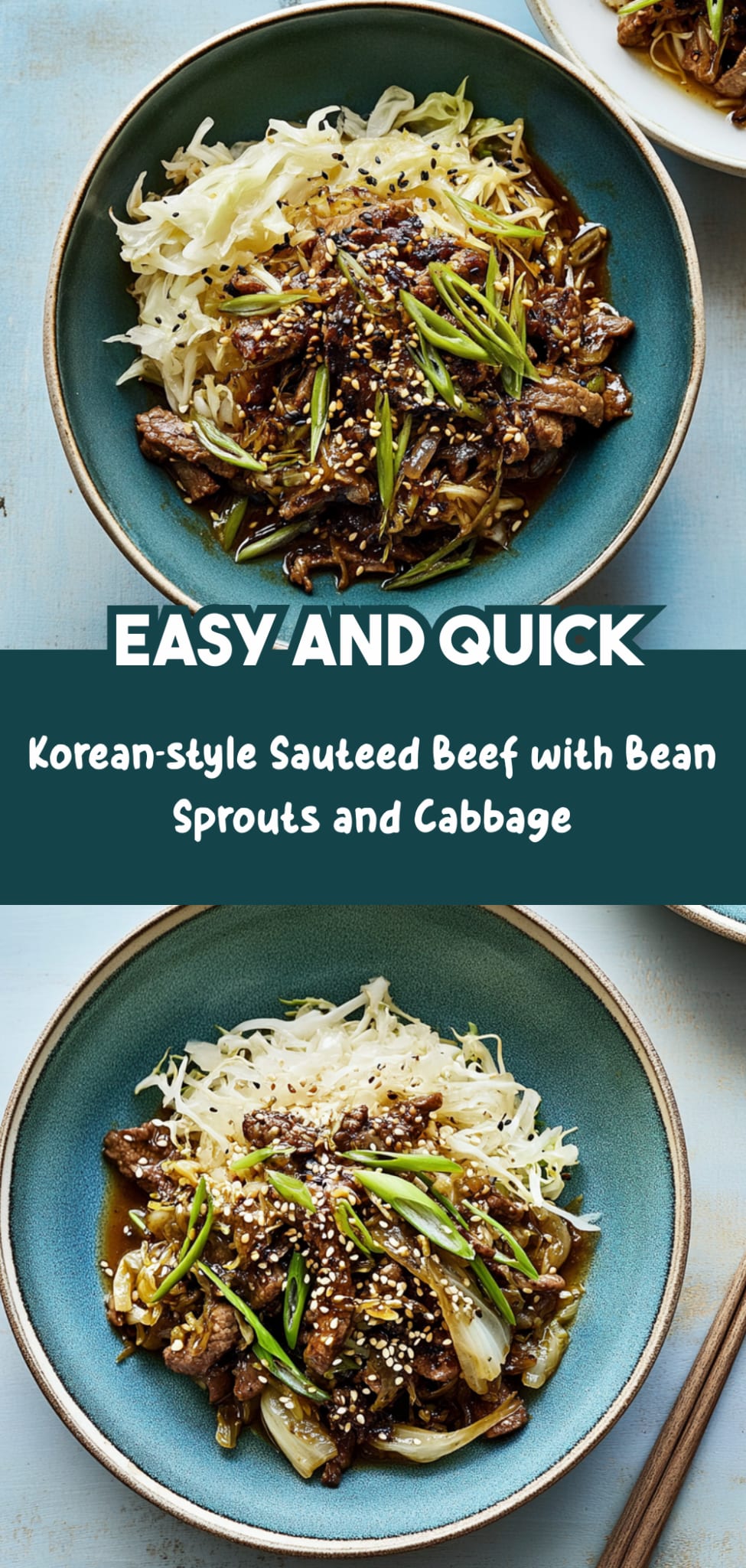
Are you ready to see how straightforward it is to make the Korean-style Sauteed Beef with Bean Sprouts and Cabbage of your dreams??
1. PREPARE THE SAUCE
Mixing the sauce is the first step to infusing your dish with delicious flavor!
1. MIX – In a small bowl, mix together soy sauce, sesame oil, gochujang, sugar, and rice vinegar until well combined. You want everything to meld beautifully for a balanced flavor profile that will elevate the beef and vegetables.
2. SET ASIDE – Set aside the sauce for later use. This allows the flavors to marry while you prepare the rest of your ingredients.
HANDY TIPS
- Use low-sodium soy sauce if you’re watching your salt intake; it balances well with the other flavors.
- Feel free to adjust the amount of gochujang based on your spice preference—more for heat, less for a milder dish!
2. COOK THE BEEF
Now it’s time to get that beef sizzling and packed with flavor!
3. HEAT – Heat a large skillet over medium-high heat and add a little oil. You want the skillet hot enough so that when you add the beef, it sizzles immediately—this helps seal in those juices.
4. BROWN – Add the sliced beef and cook for about 3-4 minutes until browned, stirring frequently. Look for a nice golden-brown color on the beef; this means it’s caramelizing perfectly!
HANDY TIPS
- If you’re using frozen beef, ensure it’s fully thawed before slicing it thinly for best results.
- Avoid overcrowding the pan; you want each piece of beef to have space to brown evenly.
3. ADD VEGETABLES
Incorporating fresh veggies adds color, crunch, and nutrition!
5. ADD – Add the sliced onion, minced garlic, and ginger to the skillet with the beef. The aroma will be incredible as these ingredients cook together!
6. COOK – Cook for another 2-3 minutes until the onion is translucent. This indicates that they are softening and releasing their flavors into the dish.
7. STIR IN – Stir in the bean sprouts and cabbage, cooking for an additional 2-3 minutes until the vegetables are tender-crisp. You want them bright and crunchy—perfectly cooked without losing their vibrant texture!
HANDY TIPS
- For extra crunch, try adding some sliced bell peppers or carrots along with your cabbage!
- Make sure not to overcook your vegetables; they should remain slightly crisp for that satisfying bite.
4. COMBINE AND SERVE
This is when everything comes together in delicious harmony!
8. POUR – Pour the prepared sauce over the beef and vegetables, stirring to coat evenly. This ensures every bite is packed with flavor!
9. HEAT THROUGH – Cook for another minute to heat through. Watch as the sauce slightly thickens around your beautiful ingredients.
10. SERVE HOT – Serve hot, garnished with toasted sesame seeds and sliced scallions for added texture and visual appeal.
HANDY TIPS
- Toasting sesame seeds brings out their nutty flavor—don’t skip this step!
- For added freshness, consider squeezing a bit of lime juice over before serving!
Make this delightful dish once, and I wager it will invade your dreams every night too! – Nagi x
FAQ – Korean-style Sauteed Beef with Bean Sprouts and Cabbage
🥡 How long will leftovers keep in the fridge?
Leftovers of this Korean-style sautéed beef with bean sprouts and cabbage can be kept in the fridge for up to 3 days. After that, the quality starts to decline sharply — I’d say you’re looking at about 80% as good on day 4 and around 60% by day 5. Always store it in an airtight container to maintain freshness, and make sure to reheat thoroughly before serving.
⏲️ Can I skip marinating the beef?
No, you cannot skip marinating the beef! The marinade is crucial for developing flavor and tenderness. While you could technically cook it without marinating, I’ve tested this dish extensively, and trust me when I say that just 15-30 minutes of marinating makes a huge difference in taste and texture. So please don’t skip this step if you want the best results!
❄️ Can I freeze this dish?
Yes, you can freeze Korean-style sautéed beef with bean sprouts and cabbage! To do so, place the cooled dish in a freezer-safe container or zip-top bag. It will keep well for up to 3 months. When you’re ready to enjoy it again, thaw it overnight in the fridge before reheating on the stove or microwave. Just be aware that some veggies may lose their crunch after freezing, but they’ll still taste delicious!
🌱 Is there a way to make this dish gluten-free?
Absolutely! To make this recipe gluten-free, simply substitute the soy sauce with a gluten-free soy sauce or tamari. It’s an easy swap that won’t compromise on flavor. Additionally, make sure your gochujang is certified gluten-free; many brands offer this option nowadays so you won’t miss out on that signature Korean kick!
🍚 What can I use instead of gochujang?
If you’re out of gochujang or prefer a different flavor profile, you can substitute it with sriracha or a mixture of red pepper flakes and miso paste for depth. However, keep in mind that these alternatives might not have the same sweetness or depth of flavor as gochujang. Start with half the quantity if using sriracha since it’s spicier; adjust according to your heat preference.
🥬 Can I add more vegetables to this recipe?
Definitely! This dish is incredibly versatile when it comes to vegetables. You can add sliced bell peppers, carrots, or even zucchini for extra color and nutrition. Just remember to chop them into similar sizes for even cooking — I usually recommend adding heartier veggies first (like carrots) so they have more time to soften up before adding quicker-cooking ones like bean sprouts.
🔪 Why do we add garlic and ginger with the onions?
Adding garlic and ginger along with the onions enhances the overall aroma and flavor profile of the dish. Cooking them together allows those fragrant oils to infuse into the beef and vegetables more effectively. I always find that waiting until the onion is translucent before introducing garlic helps prevent burning — burnt garlic tastes bitter and nobody wants that in their meal!
🔥 How many times did you test this recipe?
I tested this sautéed beef recipe no less than ten times, tweaking ingredients every step of the way! Each trial taught me something new about how flavors meld together beautifully—so yes, I’m a little mad about testing recipes endlessly 😅 but I’m obsessed with perfecting that savory umami flavor!
Troubleshooting
I will continue to add more to this Troubleshooting section as I start seeing questions coming through from people who have made the recipe.
Troubleshooting tips
“My beef came out tough and dry! 😭”
- You might have overcooked the beef. Cooking it for longer than 3-4 minutes can lead to a chewy texture, especially if you sliced the beef too thickly.
- If the skillet was not hot enough when you added the beef, it may have stewed instead of seared, resulting in dryness.
I bet it was still YUM though!
“My vegetables turned out soggy! 🥴”
- You probably added the bean sprouts and cabbage too early or cooked them for too long. They only need 2-3 minutes to become tender-crisp.
- Using pre-washed or frozen bean sprouts can also lead to excess moisture, making them soggy when cooked.
I bet they were still YUM though!
“The sauce is way too salty for me! 😳”
- If you used regular soy sauce instead of low sodium soy sauce, it can overpower the dish with saltiness. Always stick to low sodium for a balanced flavor.
- Not measuring out the soy sauce could lead to accidentally adding more than intended.
I bet it was still YUM though!
“My beef looks pale and unappetizing! 😩”
- If your skillet wasn’t hot enough when you cooked the beef, it won’t get that beautiful brown color and crust you want. Make sure your skillet is really hot before adding the meat.
- Not allowing the beef to sit in a single layer can cause steaming rather than browning, leading to an uneven color.
I bet it was still YUM though!
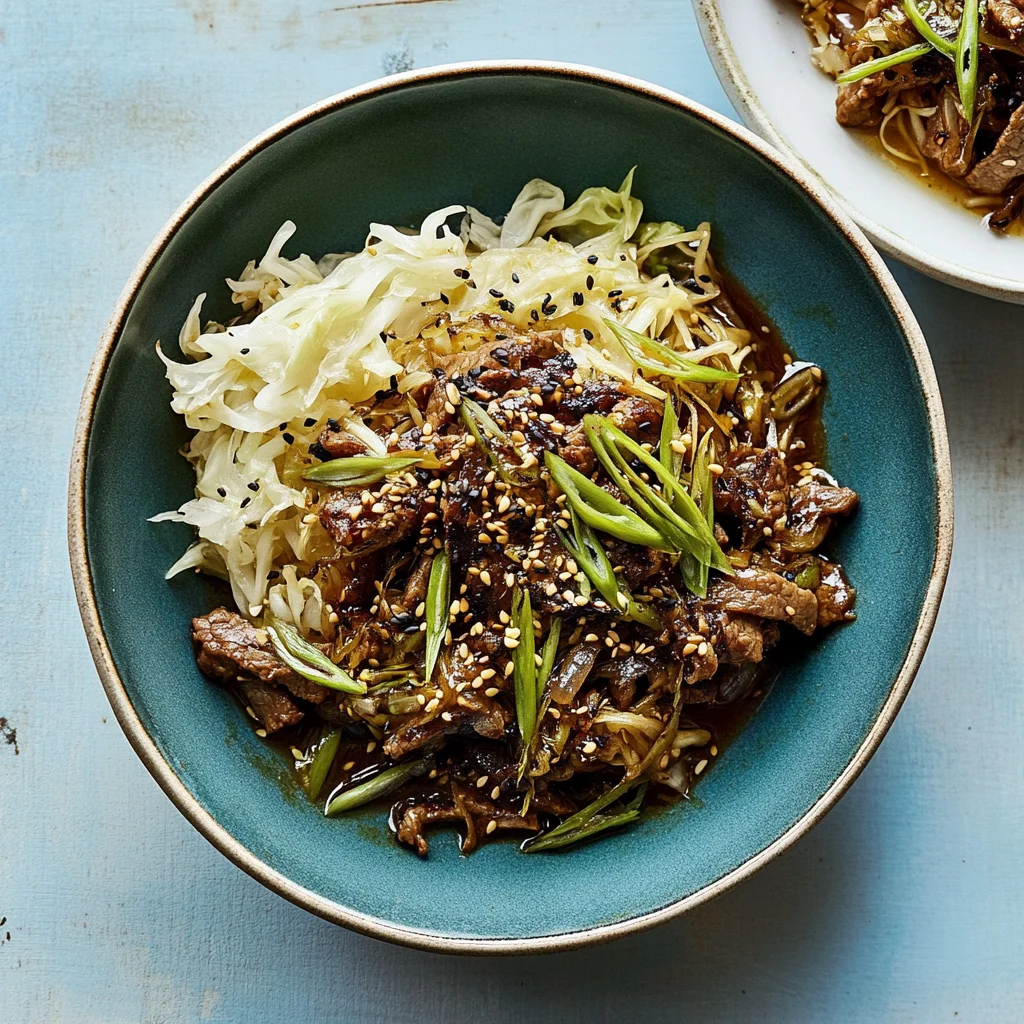
Korean-style Sauteed Beef with Bean Sprouts and Cabbage
Ingredients
Method
- In a small bowl, mix together soy sauce, sesame oil, gochujang, sugar, and rice vinegar until well combined.
- Set aside the sauce for later use.
- Heat a large skillet over medium-high heat and add a little oil.
- Add the sliced beef and cook for about 3-4 minutes until browned, stirring frequently.
- Add the sliced onion, minced garlic, and ginger to the skillet with the beef.
- Cook for another 2-3 minutes until the onion is translucent.
- Stir in the bean sprouts and cabbage, cooking for an additional 2-3 minutes until the vegetables are tender-crisp.
- Pour the prepared sauce over the beef and vegetables, stirring to coat evenly.
- Cook for another minute to heat through.
- Serve hot, garnished with toasted sesame seeds and sliced scallions.



Leave a Comment