I first stumbled upon a delightful turmeric chicken soup at a little café during a particularly chilly winter afternoon. The moment I took that first spoonful, I was wrapped in warmth and comfort, like a cozy hug from the inside out. I couldn’t shake the feeling that I had to recreate such a soothing dish at home—especially since it seemed like a healthier alternative to my usual go-to indulgences. Plus, let’s be honest, it’s way more wallet-friendly to whip it up myself rather than shelling out for fancy café prices!
After diving into this culinary challenge, I quickly found myself in an amusing battle with spices and simmering pots—it took me five attempts (yes, five!) to finally nail down the perfect balance of flavors for my Anti Inflammatory Turmeric Chicken Soup. With each try, I learned a bit more about what worked and what didn’t—like the time I accidentally dumped in too much ginger and ended up with a soup that could’ve doubled as an intense ginger shot! My goal was clear: create a soup that not only tasted incredible but also packed a serious punch of anti-inflammatory goodness.
And let me tell you, all that trial and error was absolutely worth it! The final result is nothing short of magical—a velvety broth infused with earthy turmeric, fragrant ginger, and tender chicken that practically melts in your mouth. It’s nourishing, bursting with flavor, and has this beautiful golden hue that’s just begging to be savored. I can’t wait for you to try this Anti Inflammatory Turmeric Chicken Soup; it’s guaranteed to keep you warm and healthy through whatever life throws your way!
These Anti Inflammatory Turmeric Chicken Soup are…
…a comforting hug in a bowl that’s perfect for boosting your immune system!
1. They deliver a vibrant flavor profile thanks to the combination of turmeric and ginger. The earthy warmth of turmeric, known for its anti-inflammatory properties, melds beautifully with the zesty kick of fresh ginger, creating a soup that’s not just delicious but also nourishing.
2. Silky smooth texture – each spoonful is a delight! The tender pieces of chicken breast blend seamlessly with the soft, cooked vegetables like carrots and celery, resulting in a satisfying mouthfeel that soothes as it warms you from the inside out.
3. Elevated cooking technique – sautéing garlic and onions in olive oil first enhances the overall depth of flavor. This simple step caramelizes the aromatics, infusing the chicken broth with rich undertones that elevate this soup beyond ordinary versions.
4. Cost-effective comfort – making this Anti Inflammatory Turmeric Chicken Soup at home is a fraction of the price of takeout. With just a few affordable ingredients, including low-sodium chicken broth and fresh veggies, you can whip up a big batch that lasts throughout the week.
PS This soup yields about 6 servings, making it perfect for meal prep or sharing with loved ones on chilly days!
Ingredients You’ll Need
Each ingredient in this dish plays an essential role in flavor and texture. Here’s what you’ll need:
1 lb boneless, skinless chicken breast (cut into bite-sized pieces): Provides lean protein and a hearty base for the soup.
4 cups chicken broth (low-sodium preferred): Adds depth of flavor while keeping the soup light and nourishing.
1 cup carrots (diced): Contributes natural sweetness and vibrant color to the soup.
1 cup celery (diced): Offers a subtle crunch and aromatic base for the dish.
1 cup onion (diced): Enhances the overall flavor profile with its savory notes.
2 cloves garlic (minced): Infuses the soup with warmth and a hint of pungency.
1 tbsp fresh ginger (grated): Delivers a zesty kick that complements the soup’s warmth.
1 tbsp turmeric powder: Imparts a golden hue along with its powerful anti-inflammatory benefits.
1 tsp black pepper (freshly ground): Elevates flavor while aiding in the absorption of turmeric’s health properties.
1 tbsp olive oil (for sautéing): Creates a rich base for cooking vegetables, enhancing their flavors.
1 tbsp fresh parsley (chopped for garnish): Adds freshness and a pop of color to finish the dish beautifully.
2 cups water: Balances the ingredients’ intensity, ensuring a comforting broth.
You MUST Sauté the Vegetables! Trust me on this.
I have to confess, I thought I could skip sautéing the vegetables and just toss everything in the pot. I tried it once, hoping for some magical shortcut, and ended up with a bland soup that tasted like it was missing something essential. It took me a few tries to realize that sautéing is non-negotiable for a reason—so don’t fall into the same trap I did!
Sautéing isn’t just about cooking; it’s about coaxing out those deep flavors from the vegetables. Think of it like laying the foundation for a cozy home: without it, everything feels cold and uninviting. When you sauté the onions, carrots, and celery in olive oil first, you’re unlocking their natural sweetness and enhancing the flavor profile of your Anti Inflammatory Turmeric Chicken Soup. Plus, adding ginger and garlic at this stage ensures they release their aromatic oils, making the entire dish more fragrant and delicious.
What does sautéing do?
- Flavor — Sautéing brings out the natural sweetness of onions, carrots, and celery, creating a rich base that elevates your soup.
- Aroma — Cooking garlic and ginger in hot oil allows their essential oils to permeate the dish, making every spoonful fragrant.
- Texture — Softening vegetables before adding broth ensures they meld beautifully into the soup rather than remaining crunchy or raw.
- Color — The slight caramelization of vegetables adds a warm hue to your soup, making it visually appealing.
- Depth — Layered flavors develop through sautéing, providing complexity that makes each bite satisfying.
Different sautéing times
- 1 minute (okay) — Just starting to soften; not enough time for real flavor development or texture change.
- 3 minutes (good) — Onions are translucent but still lacking that sweet depth; carrots remain notably crunchy.
- 5 minutes (great) — Vegetables are softened with some browning; this is where you want to be for optimal flavor.
- ⭐️ 7 minutes⭐️ — Perfectly tender veggies with caramelization; great aroma that fills your kitchen—this is what you want!
Be warned: If you skip or rush this step, you’re likely to end up with a soup that’s flat and unexciting. Don’t make my mistake—take your time to sauté properly!
How to make Anti Inflammatory Turmeric Chicken Soup

Are you ready to see how straightforward it is to make the Anti Inflammatory Turmeric Chicken Soup of your dreams??
1. PREPARE THE INGREDIENTS
Let’s get everything ready for a deliciously soothing soup!
1. Dice – Begin by dicing the chicken, carrots, celery, and onion into bite-sized pieces. This not only helps the chicken cook evenly but also makes it easier to enjoy each spoonful of soup. Then, mince the garlic and grate the fresh ginger; these aromatics will bring wonderful flavor to your dish.
2. Gather – Next, gather all spices and herbs: turmeric powder, black pepper, and fresh parsley. Having everything at hand will streamline the cooking process.
HANDY TIPS
- Use low-sodium chicken broth to control the saltiness of your soup while still getting that rich flavor.
- You can prep your veggies ahead of time; they keep well in the fridge for a day or two!
2. SAUTÉ THE VEGETABLES
This is where we start building flavor!
3. Heat – In a large pot, heat olive oil over medium heat until shimmering. This should take about 1-2 minutes; you want it hot enough that it sizzles when you add vegetables.
4. Add – Add the diced onion, carrots, and celery to the pot. Sauté for about 5 minutes, stirring occasionally, until they are softened and fragrant—this is your base for flavor!
5. Stir in – Now stir in the minced garlic and grated ginger, cooking for an additional 2 minutes until they are fragrant but not browned—browning can lead to bitterness.
HANDY TIPS
- Don’t rush this step; sautéing properly develops a deep flavor that’s crucial for a comforting soup.
- If you prefer a bit more spice, consider adding a pinch of red pepper flakes when you add the garlic.
3. COOK THE CHICKEN
Time to add protein and heartiness!
6. Add – Toss in the bite-sized pieces of chicken into the pot with the sautéed vegetables. Cook them until they are no longer pink on the outside—about 5-7 minutes should do it. This ensures they’re fully cooked through before adding liquid.
HANDY TIPS
- Make sure to stir occasionally so that all sides of the chicken get cooked evenly.
- If you’d like extra flavor, season the chicken with a pinch of salt while cooking.
4. ADD BROTH AND SPICES
Get ready for that soul-soothing broth!
7. Pour – Pour in 4 cups of low-sodium chicken broth along with 2 cups of water into your pot, then stir in turmeric powder and freshly ground black pepper. These ingredients not only enhance flavor but are also packed with anti-inflammatory benefits—perfect for boosting your immune system!
8. Boil – Bring the mixture to a boil over high heat, then reduce heat to low and let it simmer uncovered for about 20 minutes until flavors meld together beautifully.
HANDY TIPS
- If you want a slightly thicker soup, let it simmer longer until reduced slightly.
- Feel free to toss in any other veggies you have on hand—spinach or kale would be lovely additions!
5. SERVE
Let’s finish this off beautifully!
9. Taste – Before serving, taste your soup and adjust seasoning if necessary; perhaps add more black pepper or a dash of salt if desired. This step ensures every bite is just right!
10. Ladle – Ladle the warm soup into bowls and garnish generously with fresh chopped parsley for an extra pop of freshness before serving.
Make this once, and I wager it will invade your dreams every night too! – Nagi x
FAQ – Anti Inflammatory Turmeric Chicken Soup
🥣 How long can I store the soup in the fridge?
You can store this Anti Inflammatory Turmeric Chicken Soup in the refrigerator for up to 3 days. However, it’s best to consume it within the first 2 days for optimal flavor and freshness. After day 3, I found that the quality diminishes to about 80%, as the vegetables can become mushy and the flavors start to degrade. Just make sure it’s stored in an airtight container to keep it as fresh as possible!
⏲️ Do I really need to simmer for 20 minutes?
Yes, you really do! Simmering for 20 minutes allows the turmeric and ginger to infuse their wonderful anti-inflammatory properties into the broth, while also ensuring that the chicken is thoroughly cooked and tender. Skipping this step could result in a bland soup and chicken that’s not quite done—nobody wants that! Trust me, the waiting is worth it.
❄️ Can I freeze this soup for later?
Absolutely! This soup freezes beautifully. To freeze, let it cool completely before transferring it into freezer-safe bags or containers. Make sure to leave some space at the top of each container since liquids expand when frozen—about an inch should do. It will keep well in the freezer for up to 3 months. When you’re ready to enjoy it, simply thaw it overnight in the fridge and reheat on the stove until warmed through.
🌱 Can I make this recipe gluten-free or dairy-free?
Yes, this recipe is naturally gluten-free and dairy-free! The ingredients used—chicken, vegetables, spices, and low-sodium chicken broth—are all free from gluten and dairy. If you’re using store-bought chicken broth, just double-check that it’s labeled gluten-free to be safe. It’s a great option for those with dietary restrictions!
🔄 What can I use instead of chicken breast?
If you prefer dark meat, boneless skinless chicken thighs work wonderfully as a substitute! They’re juicy and add a rich flavor profile to the soup. Alternatively, if you’re looking for a vegetarian option, you could use chickpeas or lentils instead of chicken; just adjust cooking times accordingly since they require less time than chicken.
🤔 Why do I need to sauté the vegetables first?
Sautéing the vegetables before adding them to the soup serves two main purposes: flavor development and texture enhancement. Cooking them in olive oil helps release their natural sugars which caramelize slightly, creating a deeper flavor base for your soup. Plus, softened vegetables create a more pleasant texture rather than having them boil away directly in the broth—nobody wants mushy veggies!
✔️ Did you really test this recipe multiple times?
Oh yes! I tested this Anti Inflammatory Turmeric Chicken Soup at least five times (maybe more—I lost count!) to perfect every aspect of it! Each batch helped me refine cooking times and ingredient ratios until I was completely satisfied with both flavor and nutrition. It’s safe to say this one has been lovingly perfected through trial and error—and my taste testers agree!
Troubleshooting
I will continue to add more to this Troubleshooting section as I start seeing questions coming through from people who have made the recipe.
Troubleshooting tips
“My soup turned out too thick and gloopy! 😩”
- You may have added too little liquid. The recipe calls for 4 cups of chicken broth and 2 cups of water; if you skimped on the water, it can result in a thicker consistency.
- Another reason could be cooking it too long without adding more broth or water, which can cause evaporation.
- Don’t worry, just add a bit more water or broth next time to achieve that lovely soupy texture!
“The chicken in my soup came out tough and dry! 😱”
- If you cooked the chicken pieces for too long, they can become dry and tough. The key is to cook them until they’re no longer pink, about 5-7 minutes.
- Additionally, if the heat was too high while cooking the chicken, it could lead to overcooking.
- Next time, keep an eye on your chicken; I bet it was still delicious despite being a bit dry!
“My soup looks way too pale compared to yours! 😟”
- A pale color can happen if you didn’t sauté the onions, carrots, and celery long enough. They should soften and become fragrant before adding liquids.
- Not using enough turmeric can also contribute to a lack of vibrant color; ensure you’re measuring out that tablespoon accurately!
- No worries though – I’m sure it still tasted amazing even if it lacked a bit of color!
“My soup just doesn’t taste as flavorful as I expected! 🤔”
- This could be due to under-seasoning; make sure you’re adjusting salt and pepper according to your taste after simmering.
- If you didn’t use fresh spices or herbs, like freshly grated ginger or freshly ground black pepper, the flavor profile might not pop as much.
- Taste-testing is key here – I bet it was still YUM though!
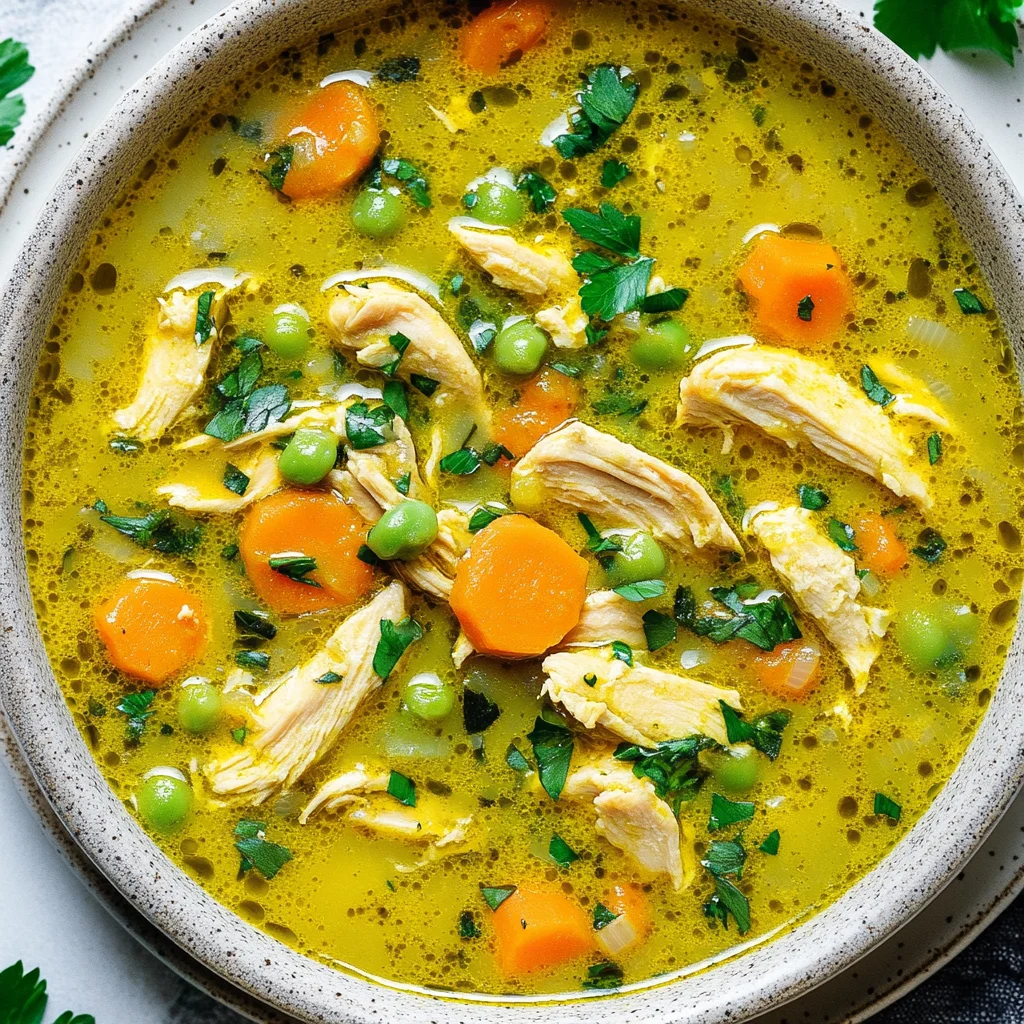
Anti Inflammatory Turmeric Chicken Soup
Ingredients
Method
- Dice the chicken, carrots, celery, onion, and mince the garlic and ginger.
- Gather all spices and herbs.
- In a large pot, heat olive oil over medium heat.
- Add diced onion, carrots, and celery, and sauté for about 5 minutes until softened.
- Stir in minced garlic and grated ginger, cooking for an additional 2 minutes.
- Add the chicken pieces to the pot and cook until no longer pink, about 5-7 minutes.
- Pour in chicken broth and water, then stir in turmeric and black pepper.
- Bring to a boil, then reduce heat and simmer for 20 minutes.
- Taste and adjust seasoning if necessary.
- Ladle soup into bowls and garnish with fresh parsley before serving.


Leave a Comment