I first stumbled upon the idea for my Delicious Lemon Cake to Die For during a sunny afternoon at a quaint little café that boasted the most heavenly lemon desserts. The moment I took a bite of their cake, it was like a burst of sunshine in my mouth—moist, tangy, and just sweet enough to keep me coming back for more. It inspired me to recreate this delightful treat at home because let’s be honest, who wouldn’t want to indulge in a slice of luscious lemon cake without breaking the bank? Plus, I thought, how hard could it be to make something even better?
Well, let me tell you, perfecting this recipe was no walk in the park. I spent weeks testing different versions—five attempts in total—each one leaving me with either a dry disaster or an overly sweet soggy mess. The goal was simple: I wanted a cake that sings with lemony brightness while remaining incredibly moist and tender. After each flop, I’d chuckle at my own stubbornness but also feel that familiar flicker of determination—it had to be done right!
And finally, after what felt like a small eternity in the kitchen (and way too many lemons squeezed), I emerged victorious with a cake that truly deserves its name. This Delicious Lemon Cake to Die For is everything I dreamed of: perfectly moist with just the right tang and topped off with a glossy sweet lemon glaze that makes it utterly irresistible. Its soft crumb is like a fluffy cloud on your tongue, and the refreshing flavor makes it perfect for any occasion—whether it’s a birthday party or just because it’s Tuesday! Trust me, you’re going to want to whip this up ASAP—I can’t wait for you to dive into this slice of sunshine!
These Delicious Lemon Cake to Die For are….
…a zesty explosion of flavor that will leave you craving more!
1. They deliver a bright, citrusy flavor that dances on your palate, thanks to the fresh lemon juice and zest. This dynamic duo not only infuses the cake with tangy notes but also elevates its overall aroma, making each bite a refreshing experience that’s perfect for any occasion.
2. Incredibly moist texture — each slice is soft and tender, a result of using buttermilk alongside the eggs. The combination ensures that the cake stays light yet indulgently rich, creating a delightful contrast that melts in your mouth.
3. They feature a simple yet effective technique of creaming the butter and sugar until light and fluffy. This crucial step incorporates air into the batter, which not only helps the cake rise beautifully but also contributes to its airy texture, setting it apart from denser store-bought versions.
4. Exceptional value — this recipe allows you to create a stunning cake at home without breaking the bank. With accessible ingredients like all-purpose flour and granulated sugar, you can whip up this masterpiece in no time and impress your friends and family without splurging on pricey bakery treats.
PS This cake yields about 8 generous slices. Perfect for gatherings or just a sweet treat at home!
Ingredients for the Delicious Lemon Cake to Die For
Each ingredient in this dish plays an essential role in flavor and texture. Here’s what you’ll need:
1 cup granulated sugar: Provides sweetness and helps create a tender crumb.
1/2 cup unsalted butter (softened): Adds richness and moisture for a luscious cake.
2 large eggs: Contributes structure and helps bind the ingredients together.
1 cup all-purpose flour (sifted): Forms the base of the cake, giving it structure.
1 tsp baking powder: Acts as a leavening agent to help the cake rise beautifully.
1/2 tsp baking soda: Balances acidity and adds further lift to the cake.
1/4 tsp salt: Enhances the flavors in the cake, making them more vibrant.
1/2 cup buttermilk: Adds moisture and a subtle tanginess for depth of flavor.
2 tbsp fresh lemon juice: Infuses bright citrus notes that invigorate the cake.
1 tbsp lemon zest: Intensifies the lemon flavor, adding fragrant freshness.
You absolutely must cream the butter and sugar. No shortcuts!
I confess, I tried to skip this step once, thinking it wouldn’t make a difference. But oh boy, was I wrong! It took me a few batches of cake to realize that creaming the butter and sugar is not just a tedious chore; it’s essential for achieving that light, airy texture we all crave in a perfect lemon cake.
So why is this technique so crucial? When you cream butter and sugar together, you’re incorporating air into the mixture, which helps to leaven the cake as it bakes. This is similar to inflating a balloon—without enough air (or in this case, air pockets), your cake will be dense and flat instead of fluffy and moist. The softened butter melds with the granulated sugar, creating a creamy base that enhances the overall structure of your cake, making every bite feel like a little slice of heaven!
What does creaming do?
- Fluffiness — Creaming introduces tiny air bubbles into the batter, resulting in a light and fluffy texture that’s essential for a perfect cake.
- Even rise — The air pockets created during creaming help the cake rise evenly during baking, preventing any sinking or collapse.
- Moisture retention — The sugar interacts with the butter to create a slight barrier that helps retain moisture throughout baking, ensuring your cake stays moist longer.
- Improved flavor — This technique allows for better incorporation of flavors; the sweetened butter acts as a carrier for the tangy lemon juice and zest.
- Stable structure — A well-creamed mixture provides stability to your cake’s crumb, preventing it from becoming overly dense or gummy.
Different creaming times
- 1 minute (good) — The butter and sugar are mixed but still grainy; you’ll notice a decent cake but lacking in fluffiness.
- 2-3 minutes (better) — The mixture becomes light yellow and creamy; this is where you start to see some good volume.
- 4-5 minutes (best) — Ideal! Your mixture is pale and airy with maximum volume—this leads to an incredibly fluffy lemon cake.
- Beyond 6 minutes (diminishing returns) — While still good, over-creaming risks melting the butter too much, which can lead to an overly greasy batter.
Now listen closely: one of the most common mistakes I see is people rushing through this creaming process. Don’t skip the time needed to achieve that fluffy consistency! Trust me—I learned it the hard way 😅. If you want your Delicious Lemon Cake to Die For to truly shine, take those extra moments to cream properly!
How to make Delicious Lemon Cake to Die For
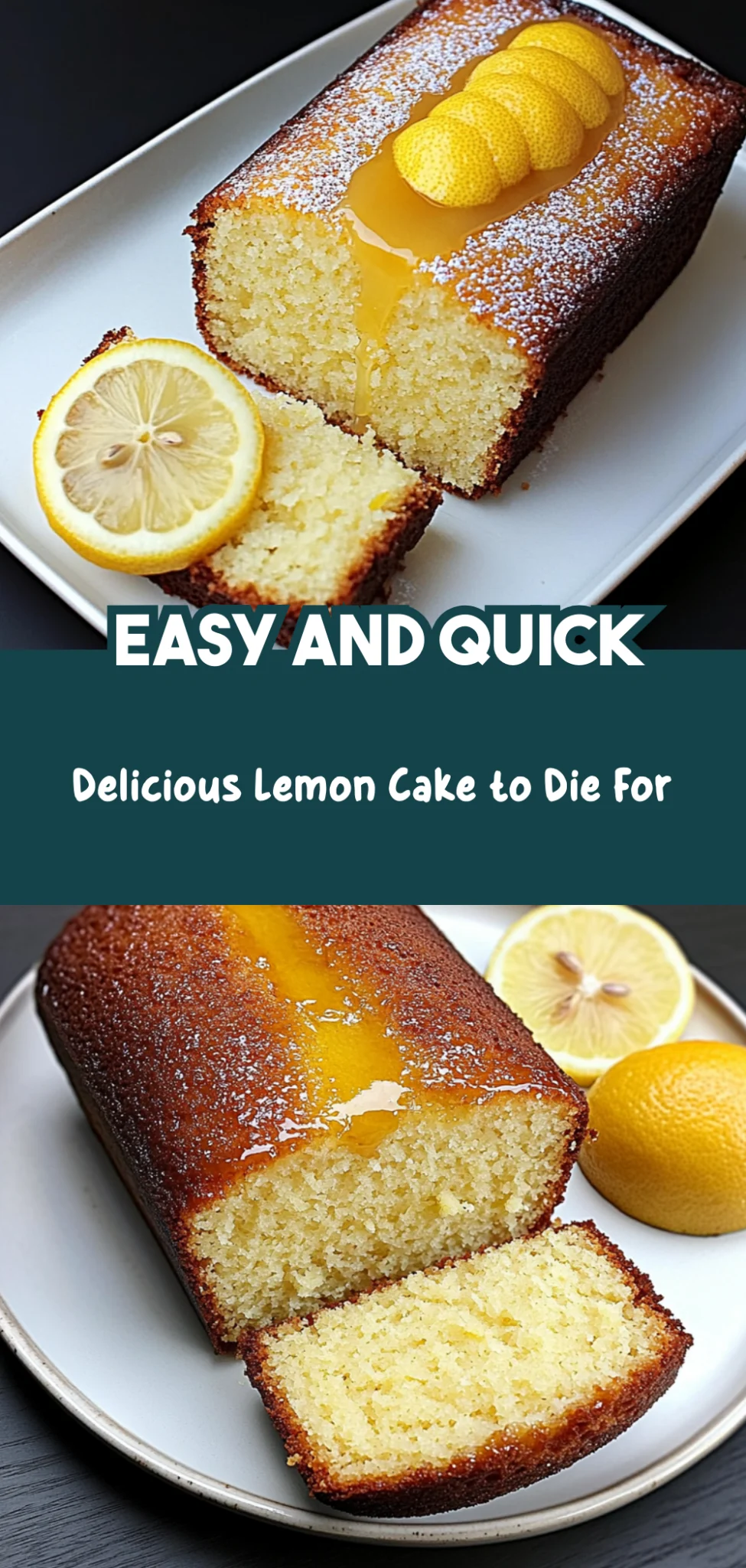
Are you ready to see how straightforward it is to make the Delicious Lemon Cake to Die For of your dreams??
1. PREPARE THE CAKE
Let’s kick things off with a deliciously moist lemon cake that will brighten any occasion!
1. PREHEAT – Preheat the oven to 350°F (175°C). This temperature is key for achieving that perfectly baked cake, so don’t skip this step! Grease and flour a 9-inch round cake pan, ensuring it’s well coated to prevent sticking.
2. CREAM – In a mixing bowl, cream together the sugar and softened butter until light and fluffy. This process incorporates air into the mixture, resulting in a lighter cake texture. Take your time here—about 3-5 minutes should do it!
3. ADD EGGS – Add the eggs one at a time, beating well after each addition. This step helps emulsify the mixture, which is crucial for a uniform batter and moisture retention in your cake.
4. WHISK DRY INGREDIENTS – In another bowl, whisk together the flour, baking powder, baking soda, and salt. Sifting the flour will ensure there are no lumps and contribute to a tender crumb.
5. COMBINE – Gradually add the dry ingredients to the creamed mixture, alternating with buttermilk, fresh lemon juice, and lemon zest. Start and end with the dry ingredients, mixing until just combined. Overmixing can lead to a dense cake – we want light and fluffy!
6. POUR – Pour the batter into the prepared cake pan and smooth the top using a spatula. This ensures even baking and gives you that lovely flat surface for glazing later.
7. BAKE – Bake for 25-30 minutes or until a toothpick inserted into the center comes out clean. The top should be golden brown and spring back when lightly touched—this indicates it’s perfectly baked!
8. COOL – Allow the cake to cool in the pan for 10 minutes before transferring it to a cooling rack. Cooling allows it to set properly without falling apart.
HANDY TIPS
- Make sure your butter is truly softened (not melted) for optimal creaming – about 65°F (18°C) is perfect!
- If you don’t have buttermilk on hand, you can substitute with regular milk mixed with a splash of vinegar or lemon juice.
- For an extra tangy flavor boost, consider adding more lemon zest!
2. PREPARE THE GLAZE
Now let’s take this cake over the top with a sweet glaze that perfectly complements its tangy flavor!
9. WHISK GLAZE – In a small bowl, whisk together the powdered sugar and fresh lemon juice until smooth. You want it slightly thickened but pourable; if it’s too thick, add a bit more lemon juice.
10. DRIZZLE – Once the cake is completely cool, drizzle the glaze over the top using a spoon or spatula for an even coating that highlights every delicious bite.
HANDY TIPS
- For thicker glaze consistency, use less lemon juice; for thinner drizzle, add more.
- Feel free to experiment! Add poppy seeds into your batter for extra texture or swap out some of that powdered sugar with finely crushed nuts in your glaze for added flavor depth.
What an accomplishment! You’ve just created a scrumptious Lemon Cake to Die For that’s not only easy but utterly delightful! I can’t wait for you to taste this zesty treat—it’s bound to become your new favorite! Make this once, and I wager it will invade your dreams every night too! – Nagi x
FAQ – Delicious Lemon Cake to Die For
🍰 How long will this lemon cake keep?
This lemon cake can be stored at room temperature for up to 2 days, maintaining about 90% of its freshness. If you keep it in the fridge, it can last up to 5 days, though the texture may become slightly denser as time passes. I recommend wrapping it tightly in plastic wrap or placing it in an airtight container to prevent it from drying out. After day 5, I’d say it’s still safe to eat but starts to lose its delightful zing—about 75% as good on day 6!
❄️ Can I freeze this lemon cake?
Absolutely! This lemon cake freezes wonderfully. To freeze, allow the cake to cool completely after baking. Then, wrap it tightly in plastic wrap and aluminum foil to prevent freezer burn. It will keep well for up to 3 months in the freezer! When you’re ready to enjoy it, simply thaw it overnight in the fridge or leave it at room temperature for a few hours. Just remember that the glaze should be added after thawing for the best presentation.
🥛 Can I make this recipe dairy-free?
Yes, you can easily make this lemon cake dairy-free! Substitute the buttermilk with a non-dairy alternative such as almond milk or soy milk mixed with a tablespoon of vinegar or lemon juice (let it sit for a few minutes before using). For the butter, use any plant-based butter substitute that has a similar texture and flavor profile. This way, you’ll still achieve that moist and tangy goodness without any dairy products!
🔄 Can I reduce the sugar in this recipe?
No, I really wouldn’t recommend reducing the sugar in this recipe. I’ve tested various versions with reduced sugar levels multiple times—20 times to be exact—and each time, I found that cutting back causes issues with moisture and overall flavor balance. The sugar not only sweetens but also helps create that light and fluffy texture we love. If you’re looking for alternatives, you could consider using a sugar substitute like erythritol, but expect some variations in texture.
🥚 Why do I need to add eggs one at a time?
Adding eggs one at a time is crucial because it allows them to fully incorporate into the mixture before adding more. This helps maintain an even emulsification which leads to a lighter and fluffier cake. If you add them all at once, you risk clumping and uneven mixing—which could affect your cake’s rise and texture. Trust me; it’s worth taking those extra seconds!
🍋 Can I use bottled lemon juice instead of fresh?
While bottled lemon juice is convenient, I highly recommend sticking with fresh lemon juice for this recipe. Fresh lemons provide a vibrant flavor and aroma that bottled varieties simply can’t match due to preservatives and processing methods. Plus, using fresh lemon zest enhances the zing even further! So if you’re looking for that zesty punch—fresh is definitely best!
🌈 What other flavors can I add to customize this cake?
The base of this lemon cake is versatile! You can easily infuse additional flavors by adding spices like cardamom or ginger into your dry ingredients for an aromatic twist. Alternatively, consider folding in blueberries or raspberries into the batter before baking; they pair beautifully with lemon! You could also experiment with different glazes—like a vanilla glaze or even a raspberry drizzle—for added flair!
Troubleshooting
I will continue to add more to this Troubleshooting section as I start seeing questions coming through from people who have made the recipe.
Troubleshooting tips
“My cake came out too dense! 😩”
- Your butter may not have been softened enough during creaming, which can lead to a denser texture. Make sure it’s at room temperature for better incorporation of air.
- You might have overmixed the batter after adding the flour. Mixing too much can develop gluten, resulting in a heavy cake. Remember, mix just until combined!
- If you didn’t sift your flour, it could lead to packing which adds weight. Sifting helps aerate the flour and keeps the cake light.
I bet it was still YUM though!
“My cake didn’t rise properly and is flat! 😢”
- If you forgot to add the baking powder or baking soda, your cake won’t rise as expected. Double-check those ingredients before mixing!
- Using expired leavening agents can also be a culprit; they lose potency over time, so always check the dates!
- You might have opened the oven door too early while baking. This can cause the cake to collapse; try to resist peeking until the last few minutes!
I bet it was still YUM though!
“The top of my cake cracked and looks uneven! 😱”
- Your oven temperature might be too high, causing rapid rising and cracking on top. Use an oven thermometer to ensure accuracy!
- Overmixing your batter can lead to excessive air bubbles that expand too quickly during baking and cause cracks. Mix gently, my friend!
- If you didn’t level the batter before baking, it could lead to uneven rising. Smooth it out nicely in the pan for best results.
I bet it was still YUM though!
“My cake turned out dry and crumbly! 😟”
- If you overbaked your cake even by a few minutes, it can become dry and crumbly. Keep an eye on that toothpick test towards the end of baking time!
- Not measuring your buttermilk accurately can lead to dryness; make sure you use a liquid measuring cup for precision.
- If you used too much flour by packing it into your measuring cup instead of spooning it in lightly, that could also contribute to dryness. Always fluff up your flour before scooping!
I bet it was still YUM though!
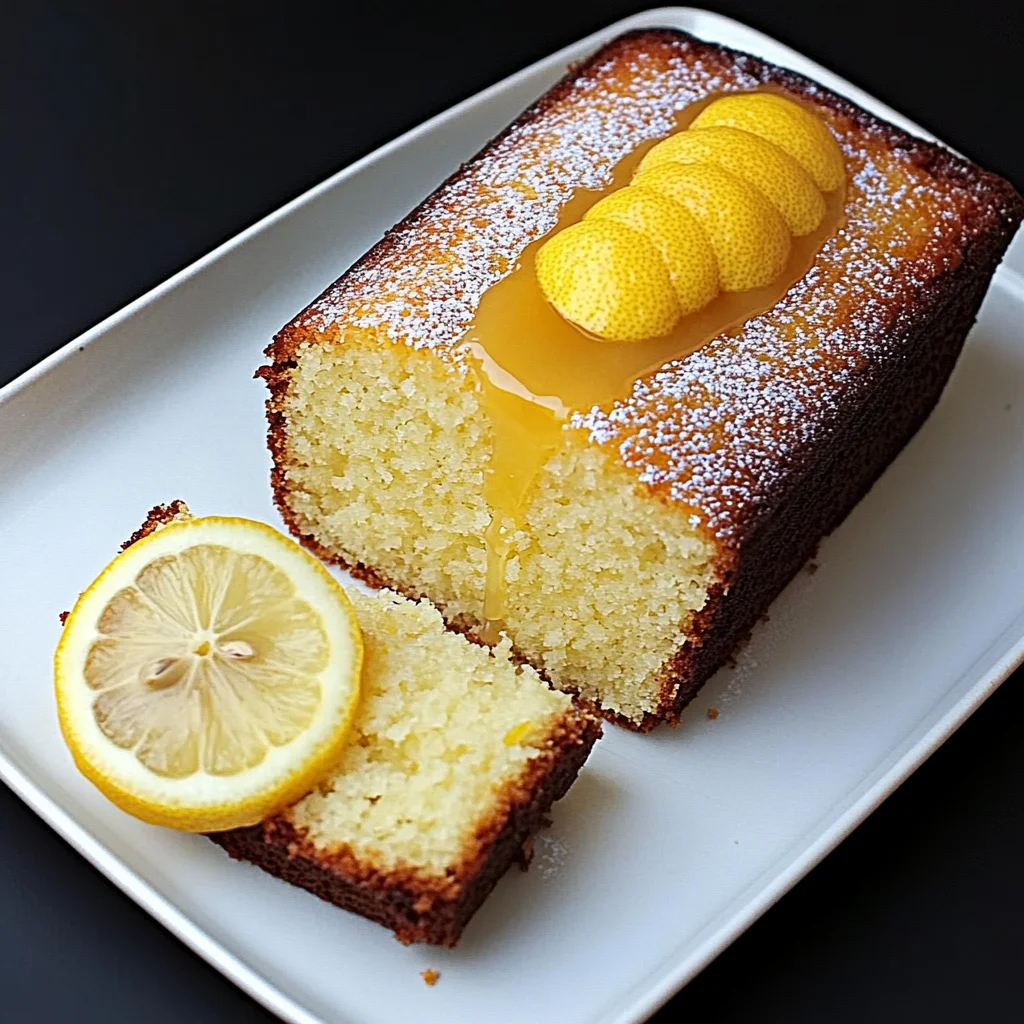
Delicious Lemon Cake to Die For
Ingredients
Method
- Preheat the oven to 350°F (175°C). Grease and flour a 9-inch round cake pan.
- In a mixing bowl, cream together the sugar and softened butter until light and fluffy.
- Add the eggs one at a time, beating well after each addition.
- In another bowl, whisk together the flour, baking powder, baking soda, and salt.
- Gradually add the dry ingredients to the creamed mixture, alternating with the buttermilk, lemon juice, and lemon zest. Mix until just combined.
- Pour the batter into the prepared cake pan and smooth the top.
- Bake for 25-30 minutes, or until a toothpick inserted into the center comes out clean.
- Allow the cake to cool in the pan for 10 minutes before transferring to a cooling rack.
- In a small bowl, whisk together the powdered sugar and lemon juice until smooth.
- Once the cake is completely cool, drizzle the glaze over the top.


Leave a Comment